Highlights:
- Roofing plays a major role in home energy efficiency, indoor comfort, and long-term property value, making it a key focus in greener construction strategies.
- Heat-reflective roofing materials work by bouncing solar radiation away from the home, which helps reduce attic temperatures and lowers cooling demand in hot climates.
- Energy efficiency gains are most noticeable in warm regions, where reducing roof heat absorption can ease air conditioning usage and improve overall indoor comfort.
- While these roofing systems can reduce energy consumption and help limit environmental impact, they are still typically made from asphalt-based materials, meaning they are not fully sustainable on their own.
- When compared to other roofing options, they offer a middle-ground solution that balances affordability, appearance, and moderate performance improvements without requiring major structural changes.
- Their impact on home value is usually indirect, tied to improved energy efficiency ratings and buyer interest in lower maintenance and utility costs rather than direct financial returns.
- The most effective results come when roofing improvements are combined with other upgrades like insulation, ventilation, and efficient HVAC systems rather than used as a standalone solution.
Homeowners today are more interested than ever in making their homes energy-efficient, climate-resilient, and environmentally responsible. Roofing, in particular, has become a major focus because it plays a huge role in regulating indoor temperature, reducing energy consumption, and even influencing long-term property value. Among the newer innovations in this space, solar reflective shingles are getting attention as a potential “middle ground” between traditional asphalt roofs and high-end solar systems.
But are they actually a meaningful step toward greener residential construction, or just another marketing upgrade?
To answer that, we need to look closely at how they work, what they offer, where they fall short, and whether they truly make sense in real-world homes.
What Exactly Are Solar Reflective Shingles?
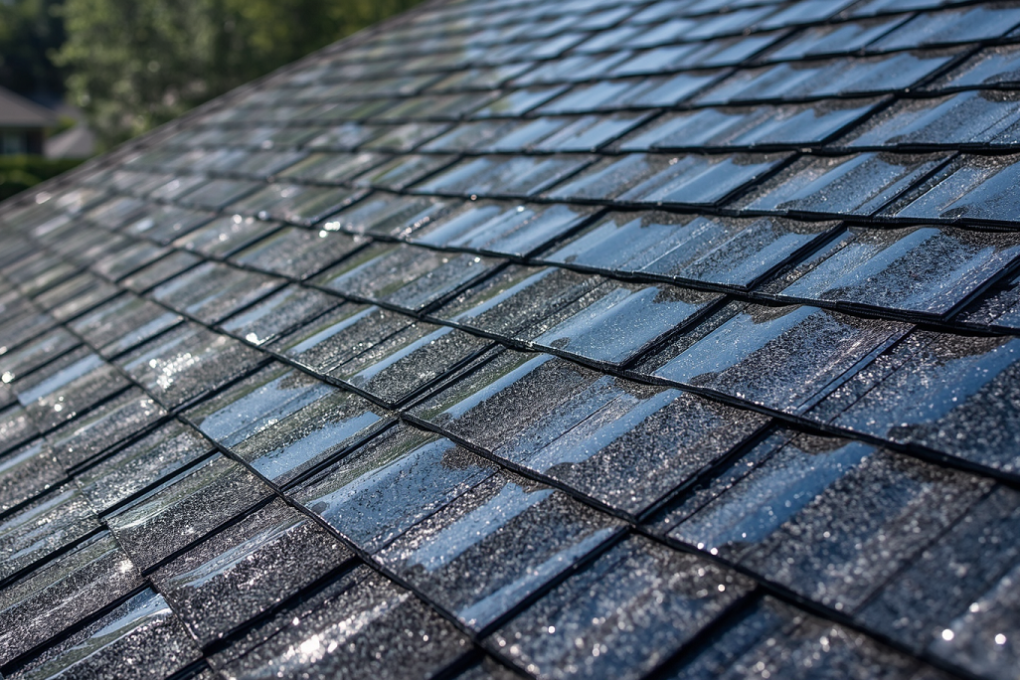
Solar reflective shingles are roofing materials designed to reflect more sunlight and absorb less heat compared to standard asphalt shingles. They are often part of what’s called a “cool roof” system, which aims to reduce heat transfer into the home.
Unlike traditional shingles that tend to absorb solar radiation and transfer that heat into the attic and living spaces, solar reflective shingles are engineered with special granules or coatings that reflect infrared and ultraviolet rays.
In simple terms, they help keep your roof cooler.
This difference might sound small, but over time it can significantly affect indoor comfort, energy usage, and even the lifespan of your roof.
Key characteristics of solar reflective shingles:
- Coated with reflective granules or pigments
- Designed to reduce heat absorption
- Compatible with standard roofing installation methods
- Available in different colors and styles (not just white or light gray)
- Often classified under ENERGY STAR-rated roofing materials
How Do They Actually Work on a Hot Roof?
To understand their impact, it helps to picture a typical roof under strong sunlight. Traditional shingles absorb heat throughout the day, transferring that heat downward into the attic. This raises indoor temperatures and forces air conditioning systems to work harder.
Solar reflective shingles interrupt this cycle.
Here’s what happens instead:
- Sunlight hits the roof surface
- Reflective particles bounce a portion of the solar energy away
- Less heat is absorbed into the roofing material
- The attic stays cooler
- Indoor cooling systems don’t have to work as hard
This process is especially effective in warm and sunny climates where cooling costs dominate household energy bills.
Are Solar Reflective Shingles Really Better for Energy Efficiency?
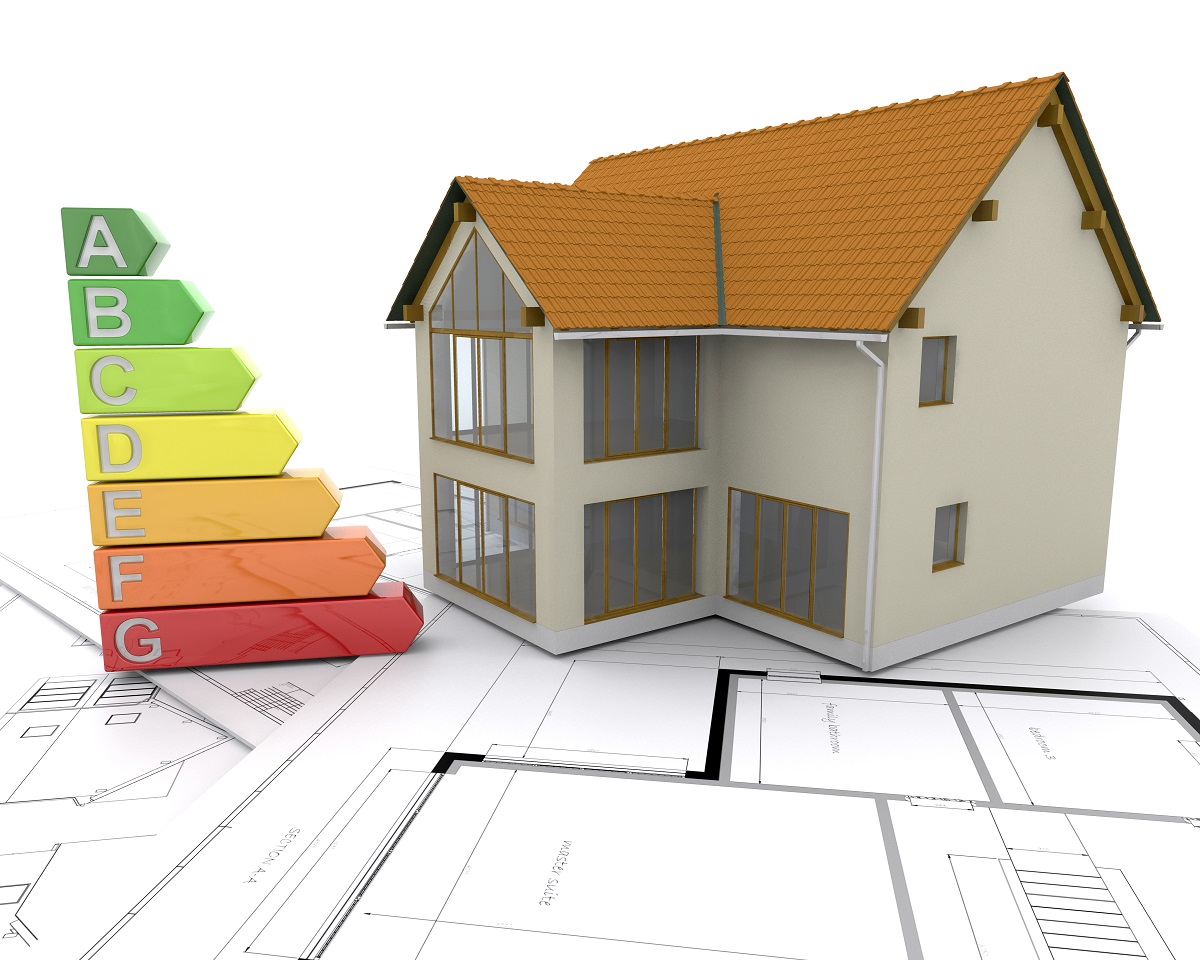
Yes, but the level of improvement depends heavily on climate, insulation, and ventilation.
In hot climates, studies have shown that reflective roofing materials can reduce roof surface temperatures by up to 50°F compared to conventional dark shingles. That reduction doesn’t always translate directly into dramatic utility bill savings, but it does improve overall efficiency.
Benefits related to energy performance:
- Lower attic temperatures
- Reduced air conditioning usage
- More stable indoor comfort during peak heat hours
- Less strain on HVAC systems
- Potential extension of HVAC lifespan due to reduced workload
However, in cooler climates, the benefits are less pronounced because heating needs may outweigh cooling needs.
Do Solar Reflective Shingles Make a Home More Eco-Friendly?
This is where things get interesting. Greener construction isn’t just about energy savings—it’s about lifecycle impact, material efficiency, and long-term sustainability.
Solar reflective shingles contribute to greener construction in several ways:
Environmental advantages:
- Reduced energy consumption lowers carbon emissions from power plants
- Decreased urban heat island effect in densely built areas
- Potentially longer roof lifespan due to reduced thermal stress
- Less frequent roof replacements means less landfill waste
That said, they are not a zero-impact solution. They are still typically made from asphalt-based materials, which are petroleum-derived. So while they improve efficiency, they don’t completely solve material sustainability concerns.
How Do They Compare to Other Roofing Options?
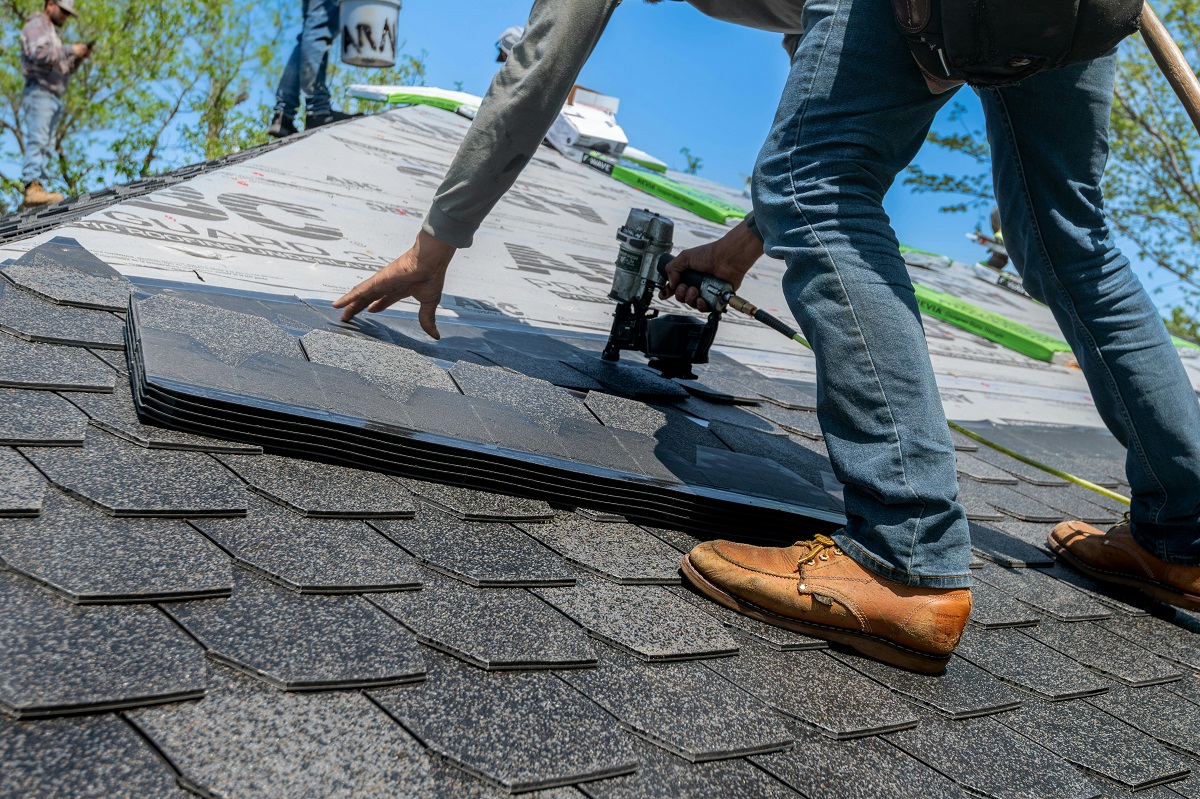
To really understand their role in greener construction, it helps to compare them with other popular roof systems. Each roofing type comes with its own balance of cost, performance, durability, and environmental impact, which makes the choice less about a single “best” option and more about what fits a homeowner’s priorities.
Traditional asphalt shingles
Traditional asphalt shingles are still the most common roofing material in residential homes mainly because they are affordable and widely available. However, their low upfront cost comes with trade-offs. They tend to absorb a large amount of heat, which can raise indoor temperatures and increase cooling demands during hot seasons. Over time, this heat exposure also contributes to faster material degradation, especially in harsh climates. As a result, they generally have a shorter lifespan compared to more modern roofing options and offer the least energy efficiency overall. While they remain a budget-friendly choice, they are not ideal for homeowners focused on long-term sustainability or energy savings.
Metal roofing
Metal roofing is often considered one of the strongest performers in terms of energy efficiency and durability. Because of its naturally reflective surface, it helps deflect a significant amount of solar radiation, reducing heat buildup in the home. It also stands out for its long lifespan, often lasting several decades with minimal maintenance. This durability makes it an attractive long-term investment, especially in areas with extreme weather conditions. However, the main drawback is its higher upfront cost, which can be a barrier for some homeowners. Even so, its combination of longevity and efficiency makes it a strong contender in greener building discussions.
Solar reflective shingles
Solar reflective shingles occupy a middle ground between traditional asphalt shingles and more advanced roofing systems. They are designed to improve heat reflection compared to standard shingles, which helps reduce attic temperatures and overall cooling needs. At the same time, they maintain a familiar appearance that blends easily with most home designs, making them less visually disruptive than metal roofs or solar panels. While they do not offer the same level of energy production or durability as higher-end systems, they do provide a noticeable improvement in performance over basic shingles. This balance of cost, appearance, and efficiency makes them an appealing option for many homeowners looking for practical upgrades without major structural changes.
Solar panel roofing systems
Solar panel roofing systems take a different approach entirely by generating electricity rather than simply reflecting heat. This allows them to directly reduce reliance on grid power, which can significantly lower a household’s carbon footprint. From an environmental perspective, they offer the highest potential impact among roofing solutions. However, this level of performance comes with a substantial upfront investment and additional installation considerations. Homes may require structural assessments to ensure they can support the system, as well as electrical integration work. Despite the complexity, solar roofing is often seen as a long-term sustainability solution for homeowners committed to maximizing renewable energy use.
In this context, solar reflective shingles sit in the “balanced upgrade” category—they are not the most powerful green solution, but they are one of the easiest to adopt.
Do They Increase Home Value or Just Lower Bills?
Home value impact depends on buyer awareness and local market trends, but energy-efficient upgrades are increasingly attractive to buyers.
Energy-efficient roofing is often seen as part of broader roof upgrades that boost your home’s value and efficiency, especially when paired with proper insulation and ventilation improvements.
Potential value benefits:
- Improved energy efficiency ratings during inspections
- Stronger appeal in hot-climate housing markets
- Reduced perceived maintenance costs for buyers
- Competitive advantage in energy-conscious real estate markets
However, unlike solar panels, reflective shingles usually don’t offer a direct financial return through energy production, so their value boost is more subtle and indirect.
What Are the Real-World Cost Considerations?
One of the biggest advantages of solar reflective shingles is that they are not dramatically more expensive than standard roofing materials.
Typical cost factors include:
- Slight premium over conventional asphalt shingles
- Standard installation labor (no special systems required)
- Potential savings on cooling bills over time
- Possible insurance or energy-efficiency incentives depending on location
While upfront costs are higher than basic shingles, they are far lower than full solar panel installations, making them more accessible for average homeowners.
Are They Worth It in Warm Climates?
In hot and humid regions, roofing performance becomes even more important because cooling costs dominate household energy use.
Solar reflective shingles can be particularly beneficial in climates where:
- Temperatures remain high year-round
- Air conditioning is used daily
- Roof heat gain significantly impacts indoor comfort
However, in tropical environments, homeowners should also consider:
- Heavy rainfall durability
- Humidity resistance
- Ventilation systems in attic spaces
- Wind resistance during storms
In some cases, light-colored metal roofing or insulated roofing systems may outperform shingles in extreme tropical conditions, but reflective shingles still provide a meaningful improvement over standard asphalt.
What Are the Limitations You Should Know About?
No roofing solution is perfect, and solar reflective shingles have a few trade-offs.
Common limitations:
- Performance varies based on color and installation quality
- Less effective if attic insulation is poor
- Savings may be modest in cooler climates
- Not as durable as metal roofing in extreme weather
- Still relies on petroleum-based materials
These limitations don’t make them ineffective, but they do highlight the importance of viewing them as part of a broader roofing strategy rather than a standalone solution.
How Do They Fit Into a Modern Green Building Strategy?
Greener construction is rarely about a single upgrade. Instead, it’s about combining multiple improvements that work together.
Solar reflective shingles often fit into a broader system that includes:
- High-quality attic insulation
- Proper roof ventilation
- Energy-efficient HVAC systems
- Smart thermostat controls
- Window shading and glazing improvements
When combined, these elements create a layered approach to reducing energy consumption.
Are There Misconceptions About Solar Reflective Shingles?
Yes, quite a few.
Common myths include:
- “They eliminate the need for air conditioning”
They reduce cooling demand but don’t replace AC systems. - “They work the same in all climates”
Their effectiveness depends heavily on sunlight exposure and temperature. - “They are just white roofs”
Modern versions can come in darker colors with reflective technology embedded. - “They are only for new homes”
They can be installed during roof replacements or upgrades.
Understanding these misconceptions helps homeowners make more realistic decisions.
What Should You Consider Before Installing Them?
Before choosing solar reflective shingles, it helps to evaluate your home holistically.
Important questions to ask:
- How hot does my home get during peak months?
- How efficient is my current insulation?
- What is my current roofing condition?
- Am I planning long-term or short-term in this home?
- Are there local incentives for energy-efficient roofing?
These questions help determine whether the upgrade is worth it for your specific situation.
What Does the Future of Roofing Look Like?
Roofing technology is evolving quickly, and solar reflective shingles are part of a larger shift toward smarter, more energy-aware building materials.
Future trends include:
- More advanced reflective coatings
- Integration with solar energy systems
- Smarter thermal regulation materials
- Recyclable roofing components
- Hybrid roofs that combine reflection and energy generation
Over time, roofing may shift from being a passive building layer to an active energy management system.
Final Thoughts: Are Solar Reflective Shingles a Meaningful Step Forward?
Solar reflective shingles are not a revolutionary invention, but they are a practical and accessible improvement over traditional roofing materials. They reduce heat absorption, improve indoor comfort, and contribute to lower energy usage—all of which support more sustainable residential construction.
They sit in an important middle space: not as powerful as solar panels, not as expensive as full green roofing systems, but far better than standard asphalt shingles.
For homeowners looking to make smarter, incremental improvements without major structural changes, they represent a realistic and worthwhile step toward greener living.