A roof is one of the most influential systems in any home, yet it is often treated as something purely functional rather than strategic. In reality, the roof plays a central role in determining how efficiently a home uses energy, how well it withstands environmental stress, and how much it is worth on the real estate market. Every layer—from shingles to underlayment to ventilation—affects how the entire structure performs over time.
When a roof is outdated or poorly maintained, the effects are rarely isolated. Energy bills rise because heat transfer is uncontrolled. Moisture problems develop because small gaps allow water intrusion. Structural components weaken gradually, often without immediate warning signs. Over time, these issues accumulate and can significantly reduce both comfort and property value.
On the other hand, thoughtful roof upgrades can completely change how a home functions. Modern materials improve insulation and reflect heat more effectively. Structural reinforcements increase safety and durability. Better drainage systems protect foundations and exterior walls from long-term damage. Even small improvements in ventilation or sealing can produce noticeable gains in efficiency and indoor comfort.
What makes roof upgrades especially valuable is that they are both preventive and performance-enhancing. They not only fix existing weaknesses but also prevent future problems from developing. Whether a homeowner is planning to stay long-term or preparing to sell, a well-upgraded roof becomes a strong selling point that signals care, quality, and reduced future maintenance costs.
1. Upgrade to Energy-Efficient Roofing Materials
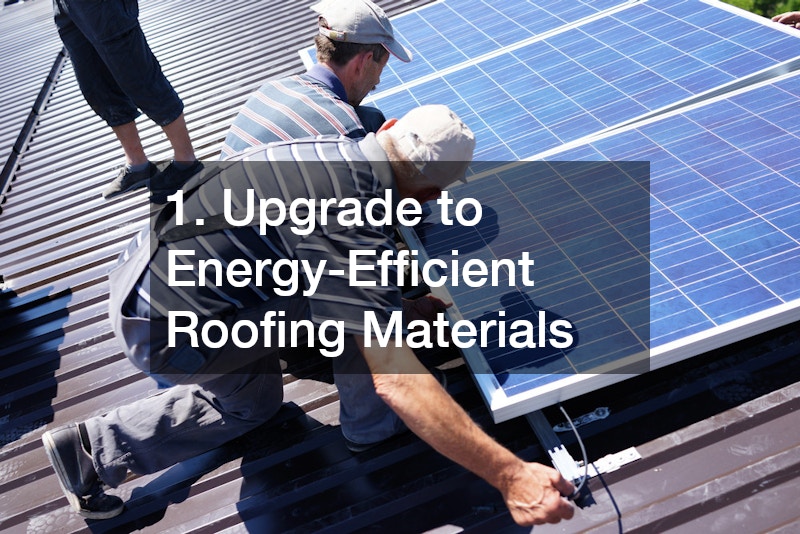
One of the most transformative roof improvements is upgrading to energy-efficient materials, because this change affects both daily comfort and long-term operating costs. Many older roofs are built with basic asphalt shingles that absorb heat throughout the day and slowly release it into the attic. This creates a “heat trap” effect that raises indoor temperatures even hours after sunset.
Modern roofing materials are designed to interrupt that cycle. Cool roofing shingles use reflective granules that bounce back a portion of solar radiation instead of absorbing it. Metal roofing systems with reflective coatings can reduce heat gain even further, especially when paired with proper insulation. Some composite systems also include thermal barriers built into the material layers themselves.
Beyond temperature control, energy-efficient roofs also reduce strain on HVAC systems. When your cooling system doesn’t have to constantly fight heat buildup from above, it operates more efficiently and lasts longer. This means fewer breakdowns, lower maintenance costs, and improved indoor comfort consistency.
When selecting materials, roofers can evaluate your home’s slope, sun exposure, attic ventilation, and insulation levels to ensure compatibility. A poorly matched system—even if “energy-efficient” on paper—may underperform if your home’s structure doesn’t support it properly. Proper installation is just as important as material choice because even small gaps or misalignment can reduce reflectivity and insulation performance.
2. Address Small Issues Before They Escalate
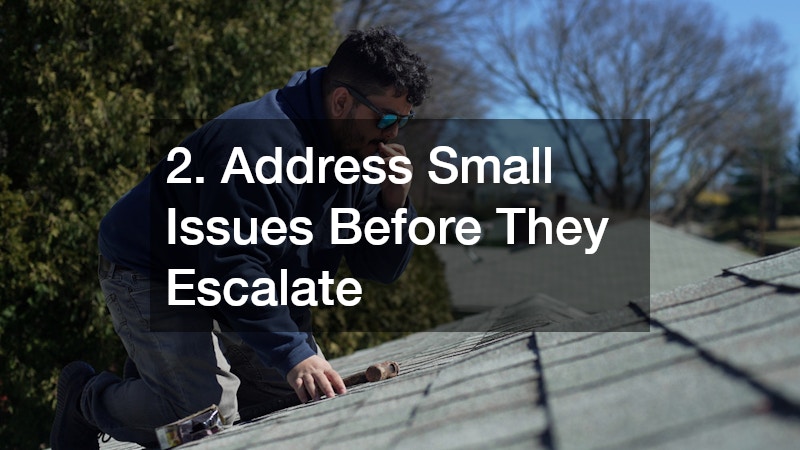
Roof deterioration rarely begins with dramatic damage. Instead, it usually starts with subtle warning signs that homeowners overlook. These include lifted shingles, minor discoloration, tiny ceiling stains, or occasional drips after heavy rain. While these may seem harmless, they are often indicators of deeper issues beneath the surface.
For example, a single missing shingle exposes the underlayment to UV rays and moisture. Over time, this exposure weakens the protective layers beneath and creates entry points for water infiltration. Once moisture enters the structure, it can spread horizontally through decking and insulation, causing hidden damage that is expensive to trace and repair.
Routine roof repairs are essential because they interrupt this progression early. A small repair today may prevent structural rot, insulation replacement, or interior drywall restoration later. Homeowners who delay maintenance often face exponentially higher costs when the issue finally becomes visible inside the home.
Seasonal inspections—especially after storms—help identify problems early. Even if no visible damage is present, checking sealant integrity, flashing condition, and shingle alignment ensures that your roof remains fully sealed and functional year-round.
3. Improve Ventilation for Long-Term Efficiency
Roof ventilation is often underestimated, yet it plays a major role in both energy efficiency and structural durability. Without proper airflow, attics become heat reservoirs in summer and moisture traps in winter. Both conditions slowly degrade roofing materials and reduce insulation performance.
In hot weather, trapped heat can raise attic temperatures significantly above outdoor levels. This heat then radiates downward into living spaces, forcing air conditioners to work harder. Over time, this increases energy bills and accelerates wear on cooling systems.
In colder seasons, warm indoor air rising into a poorly ventilated attic can condense when it meets a cold roof deck. This condensation leads to damp insulation, wood rot, and mold formation—issues that are often expensive and disruptive to fix.
Improving ventilation involves creating a balanced system of intake and exhaust airflow. Soffit vents allow fresh air to enter, while ridge or gable vents allow hot air to escape. In more complex roof designs, powered ventilation systems may be required to maintain consistent airflow.
A professional roofing company can conduct airflow analysis to determine whether your current system is underperforming or improperly balanced. Many homes suffer not from lack of vents, but from blocked or inefficient airflow paths caused by insulation misplacement or poor initial design.
4. Reinforce Structural Integrity During Upgrades
Roof upgrades are the ideal time to evaluate what lies beneath the visible surface. While shingles and exterior materials often get attention, the structural framework supporting them is what determines long-term safety and durability.
Over time, roof decking can weaken due to moisture exposure, temperature fluctuations, and natural aging. Rafters may shift slightly under repeated stress from wind or snow loads. These small changes may not be noticeable until they create sagging, uneven surfaces, or interior ceiling damage.
Strengthening these elements may involve replacing compromised decking boards, reinforcing support beams, or upgrading fasteners to modern load-rated systems. In older homes, it may also require correcting design limitations that no longer meet current building standards.
General contractors play an important role in this process because they can coordinate roofing upgrades with broader structural repairs or renovations. This is especially valuable if the roof is part of a larger home improvement project, such as adding new rooms or modifying load-bearing walls.
A structurally reinforced roof does more than improve safety—it also increases property value because buyers place high importance on long-term stability and reduced risk of hidden repair costs.
5. Install High-Performance Underlayment
Underlayment is one of the most critical but least visible components of a roofing system. It acts as a secondary waterproof barrier between the outer roofing material and the structural decking below. If shingles or tiles are damaged, the underlayment is the last line of defense against water intrusion.
Older roofing systems often use asphalt-saturated felt, which can absorb moisture, tear under stress, and degrade over time. In contrast, modern synthetic underlayments are engineered for superior durability, tear resistance, and water repellency.
These advanced materials are particularly effective in areas with heavy rainfall or sudden weather shifts. They maintain integrity even when exposed during partial roof installation or repairs, which reduces risk during construction.
Many roofing services now prioritize synthetic underlayment as a standard upgrade because it significantly extends the protective life of the roof system. It also improves overall energy performance by adding an additional insulating layer beneath the exterior surface.
6. Choose Materials That Match Your Local Climate

A roof that performs well in one region may fail prematurely in another if climate conditions are not considered. Temperature extremes, humidity levels, rainfall intensity, wind exposure, and UV radiation all influence how roofing materials age and perform.
In hot climates, reflective and heat-resistant materials are essential to prevent overheating and premature aging. In cold regions, materials must withstand freeze-thaw cycles that cause expansion and contraction stress. Coastal homes require corrosion-resistant materials that can handle salt exposure and high humidity.
This is where working with a local roofing company becomes especially valuable. Local professionals understand how specific materials perform in your environment because they see real-world results across many homes in the area. They can recommend combinations of materials and installation techniques that are proven to last longer under local conditions.
Choosing the wrong material can lead to early replacement, higher maintenance costs, and reduced energy efficiency—so climate matching is not just a design choice, but a financial one.
7. Optimize Drainage Systems for Water Control
Water management is one of the most important yet overlooked aspects of roofing performance. Even a perfectly installed roof can fail if water is not properly directed away from the structure.
Gutters and downspouts are the primary drainage system for a home, but they must be properly sized, sloped, and maintained. If gutters are too small or clogged, water can overflow and run down exterior walls, leading to staining, wood rot, and foundation issues.
Upgrading to larger capacity gutters or seamless systems can significantly improve flow efficiency. Adding gutter guards reduces debris buildup, which is especially important in areas with heavy foliage. Downspouts should also be positioned to direct water far enough away from the foundation to prevent pooling.
Homes that invest in local residential roofing improvements often combine roof upgrades with drainage optimization because the two systems are closely connected. A strong roof without proper drainage is still vulnerable to water-related damage over time.
8. Enhance Durability with Impact-Resistant Materials
Weather events such as hailstorms, strong winds, and falling debris can cause significant roof damage in a short period of time. Traditional roofing materials may crack, dent, or lose granules under impact, exposing the roof to further deterioration.
Impact-resistant roofing materials are engineered to absorb and disperse force rather than break under pressure. This is achieved through reinforced layers, polymer-modified asphalt, or composite construction designed for flexibility and strength.
These materials are particularly valuable in regions with frequent storms or seasonal weather volatility. They not only reduce repair frequency but also extend the overall lifespan of the roof system.
Some insurance providers offer premium reductions for homes with certified impact-resistant roofing because of the reduced risk of claims. Even local commercial roofers often recommend these systems for residential properties because they significantly improve long-term resilience.
9. Prevent Structural Damage Through Proper Water Management
Water intrusion is one of the most destructive forces affecting residential structures. Once water penetrates the roof system, it rarely stays localized—it spreads through insulation, framing, drywall, and even electrical systems.
Preventing this requires more than patching leaks. It involves ensuring that all vulnerable points—such as flashing around chimneys, skylights, vents, and valleys—are properly sealed and maintained. These areas are naturally more prone to stress because they interrupt the roof’s surface continuity.
Water management also extends to ensuring proper roof slope and drainage alignment so that water naturally flows away from the structure rather than pooling in weak areas.
In severe cases, coordination with local foundation contractors is necessary because improper roof drainage can lead to water accumulation around the base of the home. Over time, this can cause foundation cracks, shifting, and structural instability.
10. Integrate Roofing Upgrades with Overall Home Design
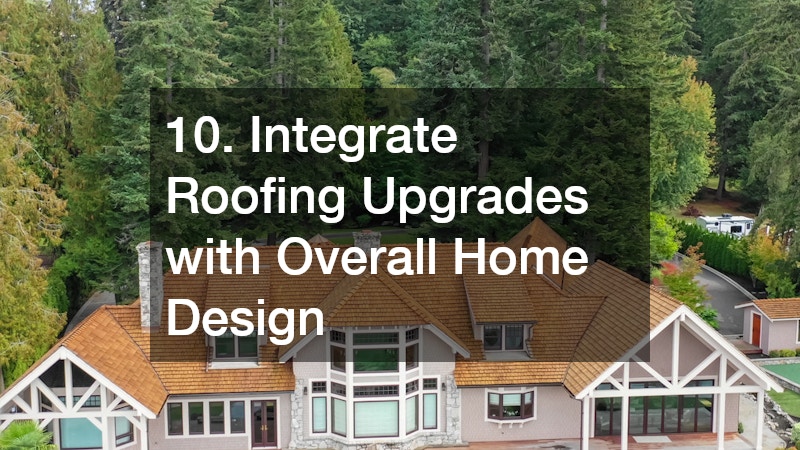
Roof upgrades deliver maximum value when they are integrated into a larger home improvement strategy rather than treated as isolated projects. A roof affects insulation, ventilation, exterior aesthetics, and even energy systems like solar panels.
For example, upgrading insulation at the same time as the roof replacement creates a more efficient thermal barrier. Similarly, installing solar panels is far more effective when paired with a structurally optimized and properly oriented roof.
Coordinating with local home builders ensures that roofing decisions align with broader renovation or expansion plans. This prevents design conflicts, reduces redundant costs, and ensures that all systems work together cohesively.
A well-integrated roof upgrade not only improves performance but also significantly increases property value because it signals to buyers that the entire home has been thoughtfully maintained and upgraded as a system rather than in isolated parts.