Planning the Perfect Outdoor Upgrade
Upgrading your outdoor space is one of the most valuable improvements you can make to your home. A well-designed deck combined with thoughtful exterior enhancements can increase property value, improve functionality, and create a space you’ll enjoy for years. However, successful projects don’t happen by accident—they require careful planning, smart material choices, and the right team of professionals.
Whether you’re starting from scratch or upgrading an existing structure, the key is to think holistically. Your deck, surrounding structures, and finishing details should all work together to create a seamless and visually appealing environment. This guide walks you through every stage of the process, from initial planning to long-term maintenance, so you can avoid costly mistakes and achieve professional-level results.
Start With a Clear Vision for How You’ll Use the Space
Before making any design or material decisions, it’s essential to define how you plan to use your outdoor space. This step influences every other part of the project, from layout to budget to materials.
Think about your daily lifestyle. Do you want a quiet place to relax, a space for entertaining guests, or a functional area for dining and cooking? Your answers will shape the size, layout, and features of your project. A custom deck build allows you to tailor every detail to your needs, ensuring the space works for you rather than forcing you to adapt to it.
It’s also important to think long-term. Consider how your needs might change over time. If you plan to stay in your home for many years, you may want to incorporate flexible design elements that can evolve with your lifestyle. For example, leaving room for future additions or upgrades can save you time and money down the line.
Mapping out zones within your outdoor space can also improve usability. Separate areas for dining, lounging, and cooking can make your deck feel larger and more organized. Sketching a rough layout—even a simple one—can help you visualize how everything will fit together before construction begins.
Build a Budget That Balances Quality and Value
A successful project starts with a realistic and well-planned budget. Without one, it’s easy for costs to spiral out of control, especially when unexpected expenses arise.
Begin by breaking your budget into categories, including labor, materials, permits, and finishing work. Understanding where your money is going helps you make informed decisions throughout the project. When evaluating building materials, it’s important to balance cost with durability. Cheaper options may save money upfront but can lead to higher maintenance or replacement costs later.
Working with a reliable building supply provider can make a significant difference in both quality and consistency. Established suppliers often offer better material options and can help you avoid delays caused by backorders or shortages.
It’s also wise to set aside a contingency fund—typically 10 to 20 percent of your total budget—to cover unexpected issues. This financial cushion allows you to handle surprises without compromising the overall quality of your project.
Design a Layout That Maximizes Space and Flow
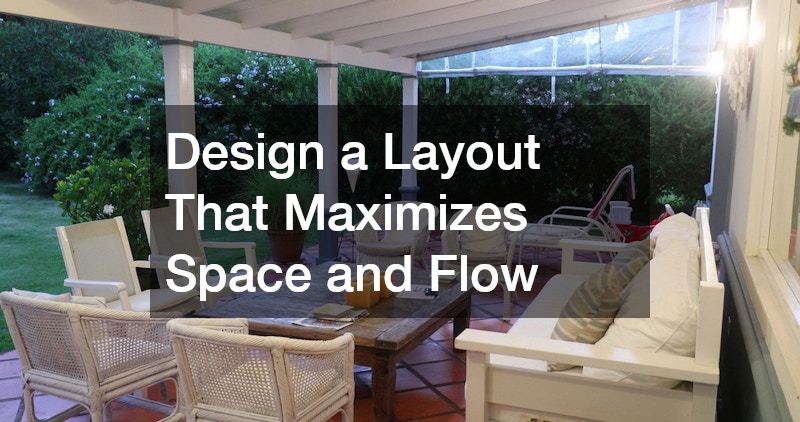
A well-thought-out layout is the foundation of a functional and visually appealing outdoor space. Poor planning at this stage can lead to wasted space and limited usability. Taking the time to map out how every area will be used ensures that your deck feels intentional rather than cramped or awkward.
Collaborating with experienced deck designers can help you create a layout that maximizes both functionality and aesthetics. Professionals understand how to balance proportions, traffic flow, and structural considerations to achieve the best results. They can also identify potential design issues early, such as inefficient spacing or awkward transitions, and offer solutions that improve both usability and appearance.
Start by considering how people will move through the space. Ensure there is a natural flow between your indoor and outdoor areas, as well as between different zones within the deck. Avoid placing obstacles in high-traffic areas, and make sure there is enough room for furniture and movement. It’s also helpful to think about how the space will feel when multiple people are using it at once, ensuring it remains comfortable and accessible.
Elevation changes, stairs, and access points should also be carefully planned. These elements not only impact usability but also play a role in the overall look of your project. Incorporating features like wide steps or gradual transitions can make the space feel more open and inviting. Taking the time to refine your layout now will pay off in the long run.
Choose Materials That Stand Up to the Elements
Material selection is one of the most important decisions you’ll make during your project. The right materials can enhance durability, reduce maintenance, and improve the overall appearance of your outdoor space.
There are many options available, including natural wood, composite decking, and PVC materials. Each has its own advantages and drawbacks, so it’s important to choose based on your climate, budget, and maintenance preferences. High-quality building materials are essential for ensuring your deck remains safe and attractive over time.
In some cases, commercial plywood supplies may be used for structural components where strength and stability are critical. These materials provide a reliable foundation that supports the overall integrity of your deck.
When selecting materials, think beyond appearance. Consider factors such as resistance to moisture, UV exposure, and temperature fluctuations. Choosing the right materials from the start can save you significant time and money on repairs and maintenance.
Work With Skilled Professionals for Best Results
Hiring the right professionals can make or break your project. Experienced contractors bring knowledge, efficiency, and attention to detail that are difficult to replicate on your own.
A qualified deck builder can handle the structural aspects of your project, ensuring everything is built to code and designed for long-term durability. For more comprehensive projects, deck building services may include design, permitting, and finishing work, providing a streamlined experience from start to finish.
When evaluating contractors, look for strong reviews, a solid portfolio, and clear communication. Don’t hesitate to ask questions about timelines, materials, and warranties. Getting multiple quotes can also help you compare options and make a more informed decision.
Add Features That Extend Year-Round Usability

Enhancing your outdoor space with additional structures can significantly increase its functionality. Features like porch enclosures allow you to enjoy your deck in a wider range of weather conditions, from hot summers to cooler evenings.
Enclosures can provide protection from insects, rain, and excessive sun exposure, making your outdoor space more comfortable and versatile. They can also add a sense of privacy, creating a more intimate environment for relaxation or entertaining.
When planning these additions, consider how they integrate with your existing design. Matching materials, colors, and architectural styles helps create a cohesive look that enhances the overall appeal of your home.
Prioritize Structural Strength and Safety
Safety should always be a top priority when building or upgrading your deck. A structurally sound deck not only protects you and your family but also ensures your investment lasts for years. Beyond basic safety, a well-built structure provides peace of mind, allowing you to fully enjoy your outdoor space without worrying about potential hazards or premature deterioration.
Using high-quality materials, including commercial plywood supplies where appropriate, helps create a strong and stable foundation. Proper framing, secure connections, and adequate support are essential components of a safe deck. This includes using correctly sized joists, properly spaced beams, and corrosion-resistant fasteners that can withstand outdoor conditions. Reinforcing key stress points—such as stair connections, railing systems, and ledger boards attached to your home—is critical for long-term stability.
It’s also important to consider load capacity during the design phase. Your deck should be built to handle not only everyday use but also heavier loads from furniture, grills, or gatherings. Overbuilding slightly, rather than cutting corners, can significantly improve durability and safety over time.
Following local building codes and regulations is essential. These guidelines are designed to ensure safety and should never be overlooked. Inspections during and after construction can provide additional peace of mind, helping identify potential issues early and ensuring that every aspect of your deck meets required standards.
Protect and Finish Your Deck for Longevity
The finishing phase is where your deck truly comes to life, both visually and functionally. Proper finishing protects your deck from the elements and extends its lifespan.
Working with an experienced exterior painting contractor can help ensure your deck is properly sealed, stained, or painted. These professionals understand how to prepare surfaces and apply coatings that withstand heavy use and weather exposure.
Many exterior painting contractors specialize in deck finishes, offering solutions designed specifically for outdoor environments. Choosing the right products and application methods can prevent issues such as peeling, fading, and moisture damage.
Regular maintenance, including cleaning and reapplying protective coatings, is essential for keeping your deck in top condition. Investing in proper finishing now can save you significant time and money in the future.
Create a Cohesive and Polished Final Design

A successful outdoor project is more than just functional—it should also be visually cohesive. Every element, from the deck itself to additional structures, should work together to create a unified appearance. When all components feel intentionally designed rather than added on over time, the entire space appears more polished, professional, and inviting. This level of cohesion not only improves aesthetics but also enhances how the space is experienced day to day.
Your custom deck build should serve as the centerpiece, with other features complementing its design. For example, porch enclosures should match the style and materials of the deck to create a seamless transition between spaces. This means paying attention to details such as railing styles, trim work, and structural proportions. When these elements align, the enclosure feels like a natural extension rather than a separate addition. Sightlines also matter—what you see from inside your home looking out should feel consistent and well thought out.
Consistency in colors, textures, and finishes helps tie everything together. Avoid mixing too many different styles, as this can create a disjointed look. Instead, focus on creating a balanced and harmonious design. Repeating key design elements—such as a specific wood tone, metal finish, or accent color—can help unify the space. Even small details, like matching hardware or coordinating lighting fixtures, contribute to a more refined and cohesive final result.
Plan Your Project Timeline for Maximum Efficiency
Timing plays a crucial role in the success of your project. Poor planning can lead to delays, increased costs, and unnecessary stress.
Working with professional deck building services can help you establish a realistic timeline that accounts for weather, material availability, and labor. Ordering materials early and scheduling contractors in advance can prevent bottlenecks.
Breaking your project into phases may also be beneficial, especially for larger upgrades. This approach allows you to manage costs and maintain progress without feeling overwhelmed.
Avoid Common Pitfalls That Can Derail Your Project
Even well-planned projects can run into problems if certain mistakes are overlooked. Being aware of these pitfalls can help you avoid unnecessary setbacks.
Choosing materials based solely on price is one of the most common errors. Low-quality options can lead to higher maintenance costs and reduced lifespan. Working with a reputable building supply provider ensures you receive reliable materials that meet your needs.
Hiring an inexperienced deck builder can also result in structural issues and costly repairs. Taking the time to vet contractors thoroughly is essential for achieving quality results.
Maintain and Protect Your Investment Over Time

Once your project is complete, ongoing maintenance is key to preserving its value and appearance. Regular care helps prevent small issues from becoming major problems.
Working with an exterior painting contractor for periodic maintenance ensures your deck remains protected from the elements. Using high-quality building materials for any repairs or upgrades also contributes to long-term durability.
Simple tasks like cleaning, inspecting for damage, and reapplying protective coatings can significantly extend the life of your deck. Staying proactive with maintenance allows you to enjoy your outdoor space without unexpected interruptions.
Bringing Your Outdoor Vision to Life
A well-planned outdoor upgrade is an investment that pays off in both enjoyment and value. By focusing on thoughtful design, quality materials, and professional execution, you can create a space that enhances your home and lifestyle.
Taking a strategic approach from the beginning ensures that every element works together seamlessly. With the right planning and ongoing care, your outdoor space can remain functional, beautiful, and inviting for years to come.